
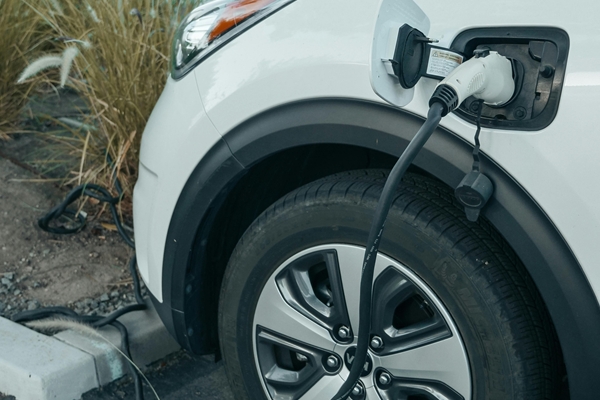
Electric vehicles (EVs) are often marketed as the future of driving—clean, smooth, and efficient. But beyond the environmental buzz, one of the most common questions for South African buyers is:
“Is an electric car truly cheaper than a petrol car over the long run?”
The short answer: Yes — in many real-world cases, EVs can be significantly cheaper to own and operate than petrol cars over time. But the full story depends on several key factors like purchase price, driving habits, energy costs, and resale value.
Here’s a clear, data-driven breakdown of the long-term cost comparison between EVs and petrol cars in South Africa.
1. Upfront Price: Petrol Cars Still Cheaper to Buy
EVs typically cost more upfront than equivalent petrol models in South Africa. This is mainly due to:
- Import duties and taxes on EVs
- Battery costs
- Smaller local EV market and supply constraints
As a result, a similar EV often carries a 10–20% higher purchase price than its petrol counterpart. While this gap is narrowing, it remains a barrier for many buyers.
But purchase price alone doesn’t tell the whole story.
2. Fuel vs Charging Costs: Major Savings With EVs
One of the biggest financial advantages of EVs is energy cost.
In South Africa, recent cost comparisons show:
- EV running costs ≈ R0.93 per km
- Petrol running costs ≈ R2.40 per km
This means EVs can be around 60% cheaper per kilometer to drive than petrol cars.
For a typical commuter covering around 50 km per day:
- Petrol fuel costs can add up to tens of thousands of rands per year
- Charging an EV at home can cost far less, even before accounting for regenerative braking savings and off-peak rates.
This leads to significant long-term savings on energy alone.
️ 3. Maintenance: Fewer Parts, Lower Costs
EVs have fewer moving parts than petrol cars:
- No oil changes
- No spark plugs
- No complex transmission systems
- Regenerative braking reduces brake wear
This translates into lower servicing and maintenance costs over time, often 40–60% less than petrol vehicles.
Fewer mechanical components mean:
- Less routine servicing
- Fewer parts to wear out
- Less labour time at the mechanic
This adds up quickly over thousands of kilometers of driving.
4. Total Cost of Ownership: EVs Often Win Over 5 Years
When you compare total cost of ownership (TCO) — factoring in purchase price, energy, maintenance, and resale value — EVs often come out ahead.
For example, a real comparison between a BYD Atto 3 EV and a similarly sized petrol SUV like the Toyota Corolla Cross shows:
| Cost Component | BYD Atto 3 (EV) | Toyota Corolla Cross (Petrol) |
| Purchase Price | Higher | Lower |
| 5-yr Fuel/Energy Cost | Much Lower | Much Higher |
| 5-yr Maintenance Cost | Lower | Higher |
| Resale Value | Comparable | Comparable |
| 5-yr Total Cost | Significantly Lower | Higher |
In this case, the EV saved buyers over R140,000 in five years, even with a higher sticker price.
Other analyses confirm similar patterns for many EV-petrol pairs, especially as fuel prices rise.
5. Break-Even Point: How Long Until EVs Start Saving You Money?
Most comparisons suggest that EVs break even on cost between 2 and 4 years of ownership because of:
- Lower running costs
- Cheaper maintenance
- Stable resale values relative to petrol cars
Once that break-even point is passed, the savings can become substantial — making EVs cheaper over the long haul when ownership is 5 years or more.
6. Factors That Influence Cost Savings
While EVs can be cheaper overall, several factors affect the total savings:
✅ Driving Habits
High mileage accelerates savings on charging vs petrol.
✅ Electricity and Fuel Prices
If petrol prices rise faster than electricity costs, EV savings grow.
✅ Charging Access
Home charging is far cheaper than public fast chargers, which can raise costs.
Insurance and Repairs
EV insurance can be higher in some markets due to repair complexity; this may affect overall cost in certain cases.
Resale Value
Resale trends are still evolving for EVs in South Africa, but top models have shown competitive values.
Final Word
So are EVs actually cheaper than petrol cars in the long run?
In most typical ownership scenarios in South Africa: yes — EVs can be cheaper over a 5-year period.
The combination of lower energy costs, simplified maintenance, and competitive resale values often outweighs the higher upfront price, especially if you drive regularly and can charge at home.
As the EV market grows, prices drop, and infrastructure improves, the economics of owning an EV will only become more favourable for South African drivers.