
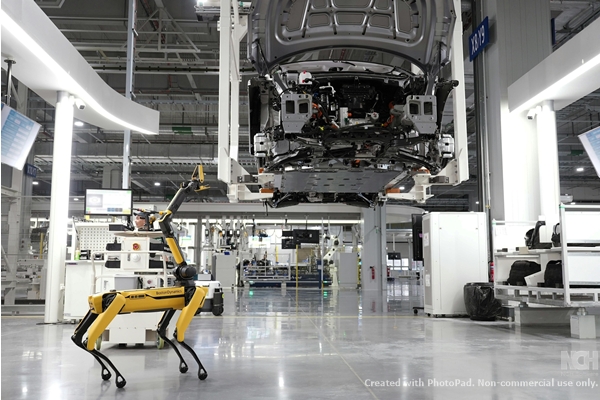
1. Ongoing Threat of Major Factory Closures
Volkswagen’s Kariega plant in the Eastern Cape faces a possible shutdown, with over 4,000 direct jobs at risk alongside many more in the supply chain. The company has warned that lack of policy certainty and support risks undermining its competitiveness.
Recent reports confirm industry leaders and parliamentarians calling the potential closure a crisis that needs urgent action to prevent cascading effects across the economy.
2. Rising Closures of Component and Support Firms
Trade union NUMSA highlighted that at least 14 automotive component companies shut down in 2025, with about 4 500 skilled jobs lost. These closures include firms that made tyres, airbags, steering components and other critical parts — signaling deep supply-chain weakness.
Some at-risk plants (e.g., ZEF Lifetec in Atlantis) are in consultation on potential closures in early 2026, which could threaten an additional ~300 jobs.
3. Broader Declines Across the Sector
Industry data and government figures from 2025 continue to show multiple closures and thousands of layoffs across the broader automotive industry — tied to weak local sales, rising imports, low localization levels, and export tariff pressures.
A Reuters summary noted 12 company closures with more than 4,000 jobs lost over two years, emphasizing that low local demand and a high share of imported vehicles (64 %) are central drivers of the crisis.
4. Policy, Trade and Competitive Pressures
Industry concerns aren’t just about closures — they reflect systemic challenges:
-
US tariffs on South African automotive exports have increased costs and cut off key markets, pressuring manufacturers’ viability.
-
Government is reviewing tariff adjustments and negotiating trade deals, but stakeholders warn action is urgent.
-
Labor tensions and stalled wage talks add to uncertainty, with unions and employers at odds over cost pressures that could disrupt production.
5. Domino Effects Beyond Direct Manufacturing
The problems extend beyond vehicle plants:
-
Steel supply challenges (e.g., from critical suppliers like ArcelorMittal’s long steel operations) have threatened component production lines linked to car assembly — potentially affecting thousands of jobs across the value chain.
-
Car dealerships and retail networks have also seen closures and restructuring, affecting employment even outside pure manufacturing.
Summary: Why the Industry Is on Edge
South Africa’s automotive sector — once a pillar of manufacturing and exports — is navigating a multi-front crisis:
-
Factory closures and warnings of shutdowns (e.g., Volkswagen, Nissan restructure concerns) jeopardize core production capacity.
-
Component supplier shutdowns are disrupting the broader ecosystem.
-
Trade headwinds (tariffs, imports, weak localization) weaken competitiveness.
-
Policy uncertainty and labor issues compound business risk.
Together, these pressures have triggered closures, job losses, and urgent calls from industry bodies, unions, and policymakers for coordinated action to stabilise the sector.