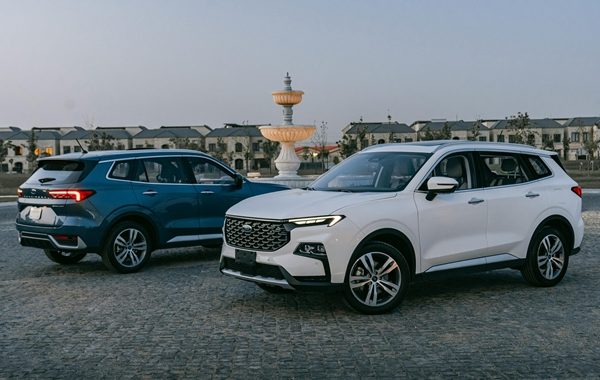
Chinese vehicles in South Africa often appear to have higher fuel consumption than established rivals, but it depends heavily on the brand, engine type, gearbox tuning, and how the vehicle is driven. Some newer Chinese models are actually very competitive. Here are the main reasons why certain Chinese vehicles consume more fuel compared to rivals from brands like Toyota, Volkswagen, Suzuki, or Hyundai in the South African market:
1. Heavier Vehicle Weight
Many Chinese vehicles are loaded with features as standard:
- Large infotainment systems
- Panoramic sunroofs
- Electric seats
- Extra sound insulation
- Advanced safety equipment
That extra equipment increases weight, which directly increases fuel usage — especially in city driving.
2. Engine Technology Still Catching Up
Brands such as Toyota and Honda have spent decades refining:
- combustion efficiency
- hybrid systems
- gearbox calibration
- low-friction engine design
Some Chinese manufacturers are newer to global mass-market vehicle engineering, so their engines may prioritize:
- performance feel
- affordability
- reliability under varying fuel quality
instead of absolute fuel economy.
However, companies like BYD, Geely, and Chery are improving rapidly.
3. Turbocharged Petrol Engines
A lot of Chinese SUVs in South Africa use small turbo-petrol engines:
- 1.5T
- 2.0T
On paper these engines look efficient, but in real-world driving:
- heavy traffic
- hills
- overtaking
- loaded family use
can cause turbo engines to consume significantly more fuel than advertised.
South Africa’s high-altitude conditions around places like Johannesburg can also affect turbo calibration and driving style.
4. Gearbox Calibration
Some Chinese brands use:
- CVT transmissions
- dual-clutch gearboxes
- older automatic designs
that are not always perfectly tuned for fuel economy. Established brands often have smoother and more refined transmission mapping after years of development.
5. South African Driving Conditions
Fuel consumption in South Africa is often worse than official figures because of:
- stop-start traffic
- poor road surfaces
- high cruising speeds
- long-distance driving
- mountain passes
- air conditioner usage in hot climates
A vehicle tested in China or Europe may return very different results locally.
6. Aerodynamics and SUV Popularity
Many Chinese vehicles sold locally are SUVs or crossovers. SUVs naturally consume more fuel due to:
- higher ride height
- increased drag
- larger tyres
- heavier bodies
Meanwhile brands like Suzuki succeed with lightweight vehicles such as the Suzuki Swift or Suzuki Fronx that focus heavily on efficiency.
7. Real-World vs Claimed Figures
Some owners feel disappointed because advertised fuel figures are achieved under controlled testing conditions. This is not unique to Chinese brands — many manufacturers do this — but the gap between claimed and real-world consumption can feel larger on some newer Chinese models.
Important Context: This Is Changing Fast
The newest Chinese vehicles are improving quickly. Some are now extremely competitive:
- BYD hybrids and EVs
- GWM hybrid systems
- Omoda newer turbo engines
- Jaecoo efficient drivetrains
In some cases they now outperform traditional brands in efficiency and technology.
Another Important Factor: Driving Style
Many Chinese turbo-petrol SUVs deliver good fuel economy only when driven gently. Aggressive acceleration causes fuel use to rise quickly because turbo engines enrich the fuel mixture under boost.
For example:
- a naturally aspirated 1.5 engine may feel slower but stay economical
- a turbo 1.5 may feel powerful but use much more fuel when pushed
So the higher fuel consumption is usually a mix of:
- heavier vehicles
- turbocharged engines
- SUV design
- less mature drivetrain tuning
- South African conditions
- driver expectations versus real-world use
rather than simply “Chinese cars are inefficient.”