
The Volkswagen “Kewer” was the local name for the classic Volkswagen Beetle (Type 1) that was built in South Africa — primarily at the Uitenhage plant — from 1951 until early 1979. It earned a reputation as an affordable, rugged, and reliable people’s car, becoming one of the country’s most iconic vehicles of the 20th century.
During its run the Kewer evolved through many versions, both standard and special editions unique to the South African market.
Models and Variants
Early 1960s – 1200 & 1300 Models
-
1200cc engines (1959–65) were common in early 1960s models — simple, air-cooled boxer engines producing around 34 hp.
-
In 1966, Beetles were bumped to 1300cc engines with about 40 hp, giving slightly better performance for city and highway driving.
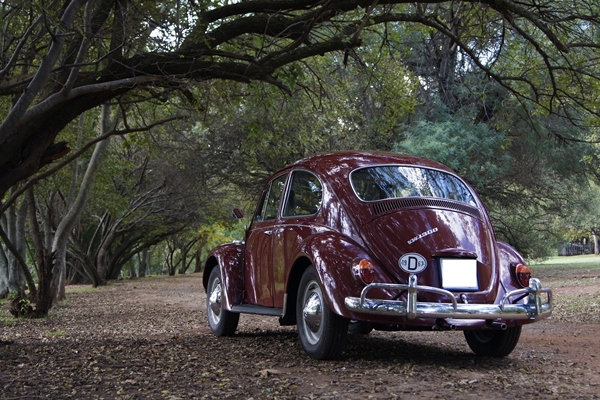
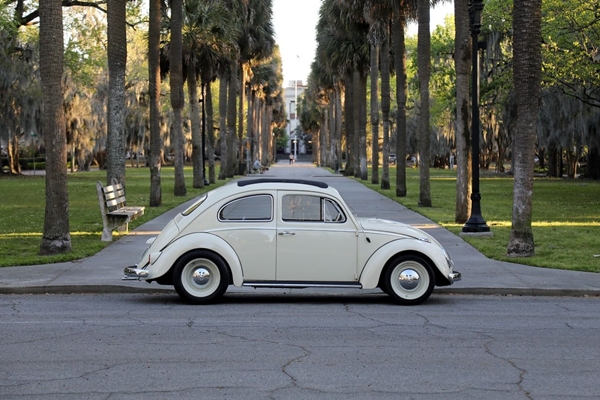
These versions are the quintessential classic 60s Beetle — rounded shape, chrome bumpers, and minimal amenities — and are particularly popular among collectors today.
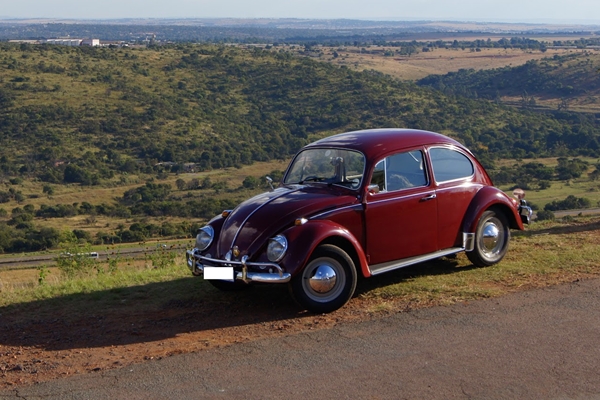
1967 – The Unique South African 1500
Perhaps the most interesting South African Kewer is the 1967 1500 model, a short-production year variant that featured:
-
A 1500 cc engine
-
Front disc brakes (rare for Beetles of the era)
-
Ball-joint front suspension
-
Only one key-lock door handle (right side)
These extras — unheard of in European or American Beetles of the same year — make the 1967 1500 a highly collectible local variant.
1970s – 1600, Special Editions & Sport Models
In the early to mid-1970s the Kewer lineup expanded to include:
-
1600cc models with increased torque and cruising ability.
-
1600S: A locally developed model grafting Super Beetle features (curved windshield, modern dashboard) onto the older brake and suspension setup.
-
SP1600 (Sport): A true South African sport Beetle with tuned twin carburettors, sport styling, and enhanced performance.
-
Fun Bug, Lux Bug, Jeans Bug, and limited editions celebrating milestones or offering unique trims.
Production of 1600 models ended in 1978, leaving only 1300s until the last Beetle rolled off the line in January 1979.
Engine & Mechanical Specs (Typical Examples)
| Model | Engine | Power | Notes |
|---|---|---|---|
| 1200 (early 60s) | 1.2 L air-cooled boxer | ~34 hp | Classic, simple, very reliable. |
| 1300 (mid 60s) | 1.3 L | ~40 hp | Standard South African mid-60s model. |
| 1500 (1967) | 1.5 L | ~44 hp | Rare variant w/ disc brakes & unique features. |
| 1600 / 1600S (70s) | 1.6 L | ~50–58 hp | Better performance; local design elements. |
| SP1600 (Sport) | 1.6 L twin carb | ~58 hp | Sportier character & styling. |
Chassis & Suspension: Most early-mid Beetles used a rear-engine, rear-wheel drive layout with torsion bar suspension — simple but effective on rough roads.
What Made the Kewer Special in SA?
✔ Locally built — not just imported: South Africa assembled and even developed unique variants for local tastes and conditions.
✔ Versatile — great for city use, rural driving, and even rally participation.
✔ Collectible today — rare versions like the 1967 1500 and SP1600 are especially desirable among enthusiasts.
✔ Part of culture — “kewers” were affordable wheels for generations of South African families.
Verdict
The Volkswagen Kewer is more than an old Beetle — it’s a symbol of motoring history in South Africa. From humble 1200s to sporty 1600SPs, these air-cooled classics combined quirky charm with mechanical simplicity. They’re a joy for restoration, weekend cruising, and preserving automotive heritage.
Whether you’re a collector or just a fan of vintage cars, the Kewer’s enduring appeal lies in its iconic design, engineering simplicity, and unique South African story.