
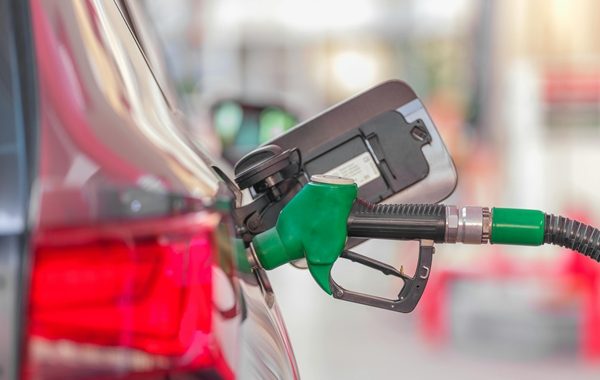
South African motorists could soon face another surge in petrol and diesel prices as escalating conflict involving Iran sends shockwaves through global energy markets. Because South Africa relies heavily on imported crude oil and refined fuel products, geopolitical tensions in the Middle East often translate directly into higher fuel costs at local pumps.
Recent developments in the Iran conflict have already triggered sharp increases in global oil prices, raising concerns that South African consumers and businesses may soon feel the financial impact.
Oil Prices Surge Amid Iran Conflict
The war involving Iran, the United States, and Israel has disrupted global energy markets and pushed oil prices sharply higher. Reports indicate that crude oil prices have surged above $100 per barrel, with some forecasts suggesting they could climb even further if the conflict intensifies.
At one point, Brent crude jumped roughly 25% in a single day, reaching around $119 per barrel as fears grew about supply disruptions in the Middle East.
A major reason for the spike is the threat to shipping routes in the Strait of Hormuz, a narrow waterway through which about one-fifth of the world’s oil supply passes. Any disruption to this route can significantly reduce global oil supply, forcing prices higher.
Why South Africa Is Particularly Vulnerable
South Africa imports most of its crude oil, making the country extremely sensitive to international price movements. When global oil prices rise, the cost of importing fuel increases and these costs are passed on to motorists.
Economists warn that the Iran conflict could also weaken the South African rand, which further increases the local price of imported fuel. A weaker currency means South Africa must pay more for oil purchased in US dollars, amplifying the price increase.
Finance Minister Enoch Godongwana has already warned that sustained higher oil prices from the conflict will likely have an inflationary impact on South Africa, especially if the war continues for several weeks.
How Much Fuel Prices Could Increase
Early data from the Central Energy Fund (CEF) suggests that South African motorists could see significant price hikes in the coming months.
-
Petrol could increase by over R2 per litre
-
Diesel could rise by up to R4.50 per litre if current trends persist
These potential increases are due to “under-recoveries” in fuel pricing, meaning current pump prices are lower than what oil and currency costs justify.
If oil prices remain above $100 per barrel for an extended period, economists estimate petrol could rise by roughly R1 per litre or more, which would also push inflation higher.
Additional Pressure: Taxes and Levies
The potential fuel price increase may be compounded by scheduled tax adjustments in South Africa.
From 1 April 2026, government plans include increases to:
-
The General Fuel Levy
-
The Road Accident Fund (RAF) levy
-
The Carbon fuel levy
While these increases are relatively small individually, they could add further pressure to already rising fuel prices caused by global oil markets.
Impact on the South African Economy
Higher fuel prices do not only affect motorists. They also have broader economic consequences, including:
-
Higher transport costs
-
Increased food prices due to expensive logistics
-
Rising inflation
-
Potential delays in interest rate cuts
Economists warn that the ripple effect could reach nearly every sector of the economy because fuel costs influence the price of transporting goods across the country.
What South African Motorists Should Expect
While fuel price adjustments are reviewed monthly in South Africa, the direction of global oil prices will largely determine what happens next. If tensions in the Middle East escalate or oil supply routes remain disrupted, further increases in petrol and diesel prices are likely.
For motorists and businesses alike, the Iran conflict highlights how geopolitical events thousands of kilometres away can have an immediate impact on everyday costs in South Africa.


