For years, Chinese cars were seen as affordable but low-quality alternatives in the global automotive market. Today, that perception is rapidly changing — especially in South Africa, where Chinese-branded cars are growing in popularity, sales, and consumer acceptance.
So the question on many buyers’ minds is:
Are Chinese cars actually better than people think — or is the reputation still justified?
Let’s explore what’s driving the shift, where Chinese vehicles genuinely shine, and where scepticism still makes sense.
Chinese Cars Are No Longer “Cheap and Basic”
In the past, Chinese vehicles were often compared to low-cost imports with basic engineering, limited features, and questionable durability. That stereotype came from early generations of China-made cars that focused primarily on the lowest possible price.
Today’s Chinese models are very different.
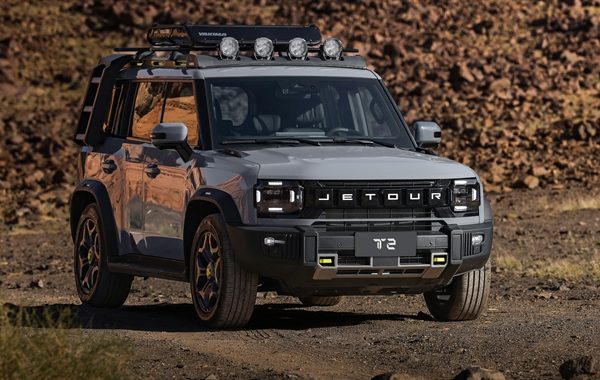
Manufacturers such as Chery, GWM (including Haval), Omoda, Jaecoo, Jetour, BYD, and BAIC are delivering vehicles that look modern, include advanced technology and safety features, and often come with competitive specifications for the price. This value proposition is one of the reasons Chinese cars have gained traction with South African buyers.
Chinese Car Sales Are Surging in South Africa
Chinese brands are no longer fringe players — they are becoming mainstream.
- The Chery Tiggo 4 is currently one of South Africa’s top-selling Chinese vehicles, moving over 18 000 units in 2025 alone and ranking high on overall sales charts.
- Other Chinese models like the Haval Jolion, Omoda C5, GWM P-Series bakkies, and Jetour SUVs are also selling strongly, with many posting double-digit year-on-year increases.
- Industry data shows the combined market share of Chinese brands in South Africa has grown significantly in recent years.
This surge demonstrates genuine consumer interest, not just novelty sales.
Why Chinese Cars Appeal to South African Buyers
Chinese cars are gaining attention for several reasons:
✔ Competitive Pricing
Chinese vehicles often undercut rivals on price while offering more features and technology, such as large infotainment screens, advanced safety systems, and hybrid/electric options within the same budget.
✔ Generous Warranty Coverage
Many Chinese brands include long warranties, which helps alleviate concerns about reliability and repair costs — a major consideration in the used and new market.
✔ Growing Dealer and After-Sales Networks
An expanding network of dealers and service centres across South Africa makes ownership easier than before, addressing a traditional weak spot in Chinese brands’ reputation.
✔ Feature-Packed Vehicles
Compared with similarly priced Japanese or European rivals, Chinese cars often offer more advanced features as standard — from connectivity to safety tech — giving the impression of “better value for money.”
️ Reliability, Parts, and Long-Term Ownership — The Real Test
Despite the progress, some concerns persist:
🔹 Parts Availability
Because the Chinese presence is still relatively new, parts networks are not as extensive as established brands. This can mean longer wait times for certain components in some regions.
🔹 After-Sales Support
While dealer networks are growing, they’re not as widespread as those of long-established brands like Toyota or Volkswagen, which can affect service convenience and resale confidence.
🔹 Long-Term Track Record
Many Chinese models haven’t yet accumulated a long history of reliability data over 10+ years, so some buyers remain cautious about how well they age.
According to industry observers, warranty claims for some Chinese marques have remained relatively low, which could help build long-term confidence — but real reliability perceptions will continue to evolve as more vehicles complete their first ownership cycles.
Consumer Perception: The Stigma Is Fading… But Not Gone
Public opinions around Chinese cars vary widely. Some drivers praise good value and technology, while others remain wary about long-term durability and resale value.
Online discussions often include perspectives such as:
- Chinese vehicles offering excellent features for the price
- Enthusiasts comparing certain models favorably with more expensive alternatives
- Skeptics worrying about parts availability and brand longevity
These mixed views highlight how the perception battle continues — but also that many buyers now see Chinese cars as legitimate choices rather than inferior options.
So, Are Chinese Cars Better Than People Think?
In many respects, yes — especially in South Africa’s current market.
Chinese carmakers have:
- Closed the technology gap with established brands
- Delivered strong value for money
- Expanded sales and dealer networks significantly
- Made inroads into both new and used car markets
That said, they’re not without challenge. Long-term reliability perceptions, parts availability, and brand loyalty will take time to solidify. Buyers considering Chinese models should:
✔ Research specific models and reliability reports
✔ Compare warranty and service offerings
✔ Evaluate resale expectations
✔ Test-drive multiple competitors
Final Thought
Chinese cars aren’t the bargain basement curios anymore. Across South Africa, they’re reshaping the market with competitive pricing, feature-rich offerings, and strong sales momentum. While skeptics still point to parts and long-term unknowns, the idea that Chinese cars are automatically inferior is outdated.
For many buyers, Chinese cars today are better than they think — and they might be worth serious consideration when shopping for a new vehicle.